Sally Simpson Stories and OOPS
In which I muse about Sally Simpson from Tommy and how it impacted my writing. Also sorry for the double email!

When I first began writing my Bloodletting vampire stories, adapted from my screenplay, I wrote them as serialized chapters, each of which could stand alone as a short story. There were four or five streams of stories, and an unnecessarily complicated system.
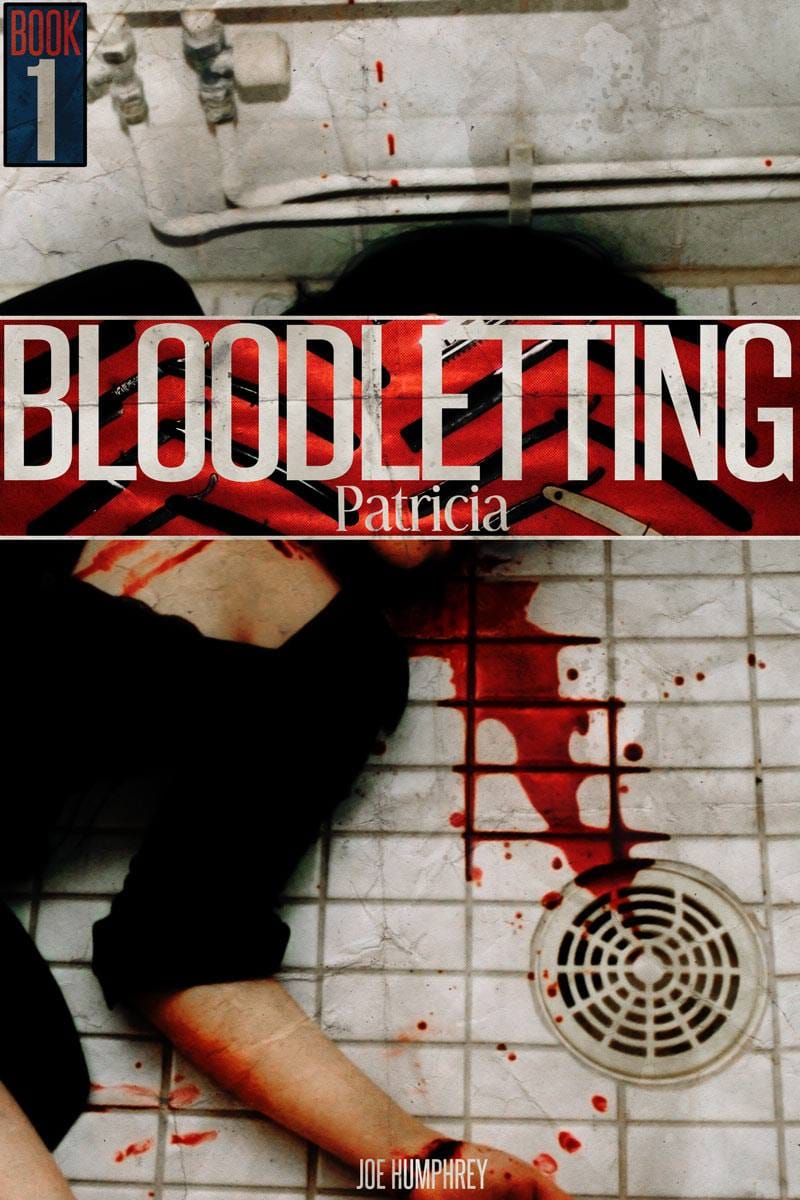
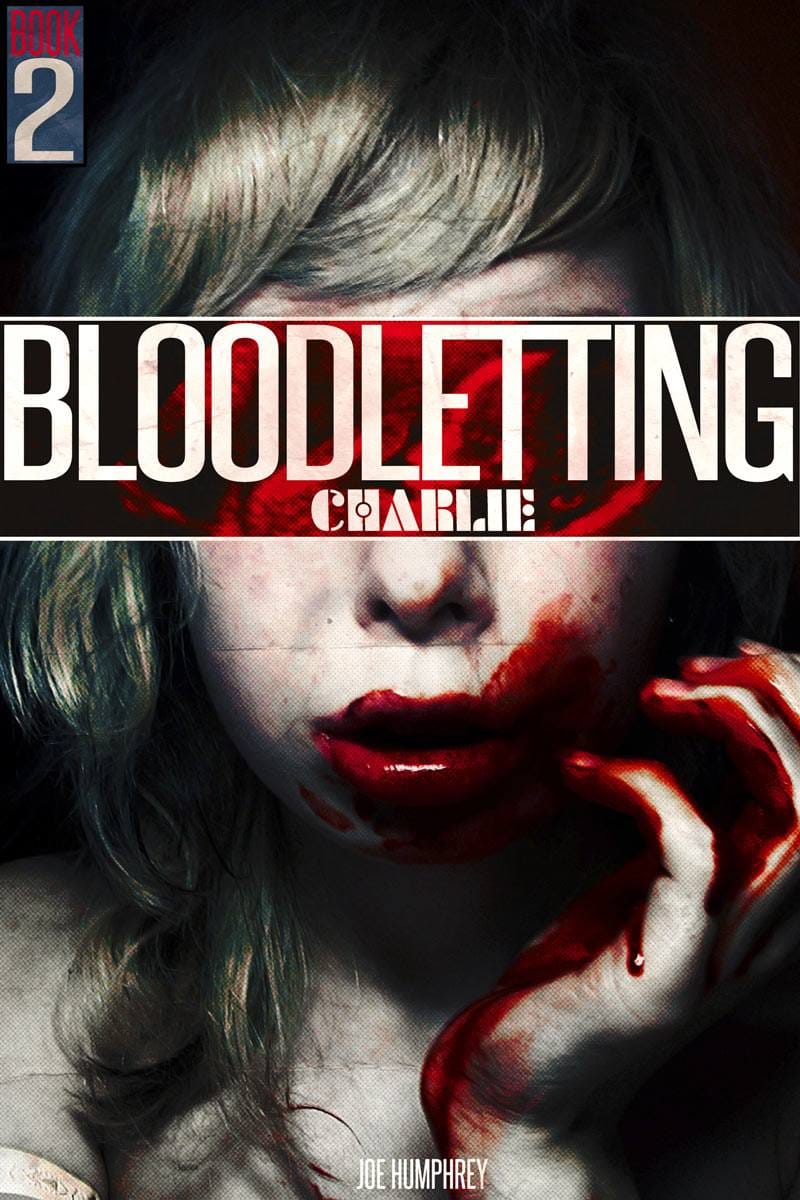
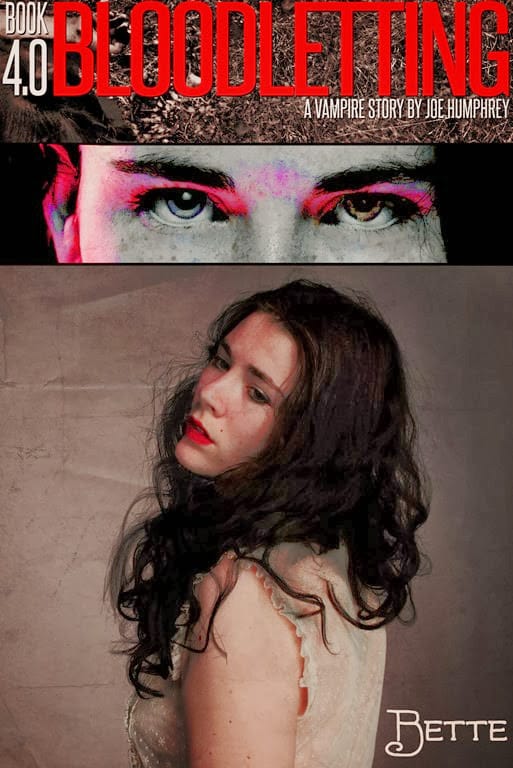
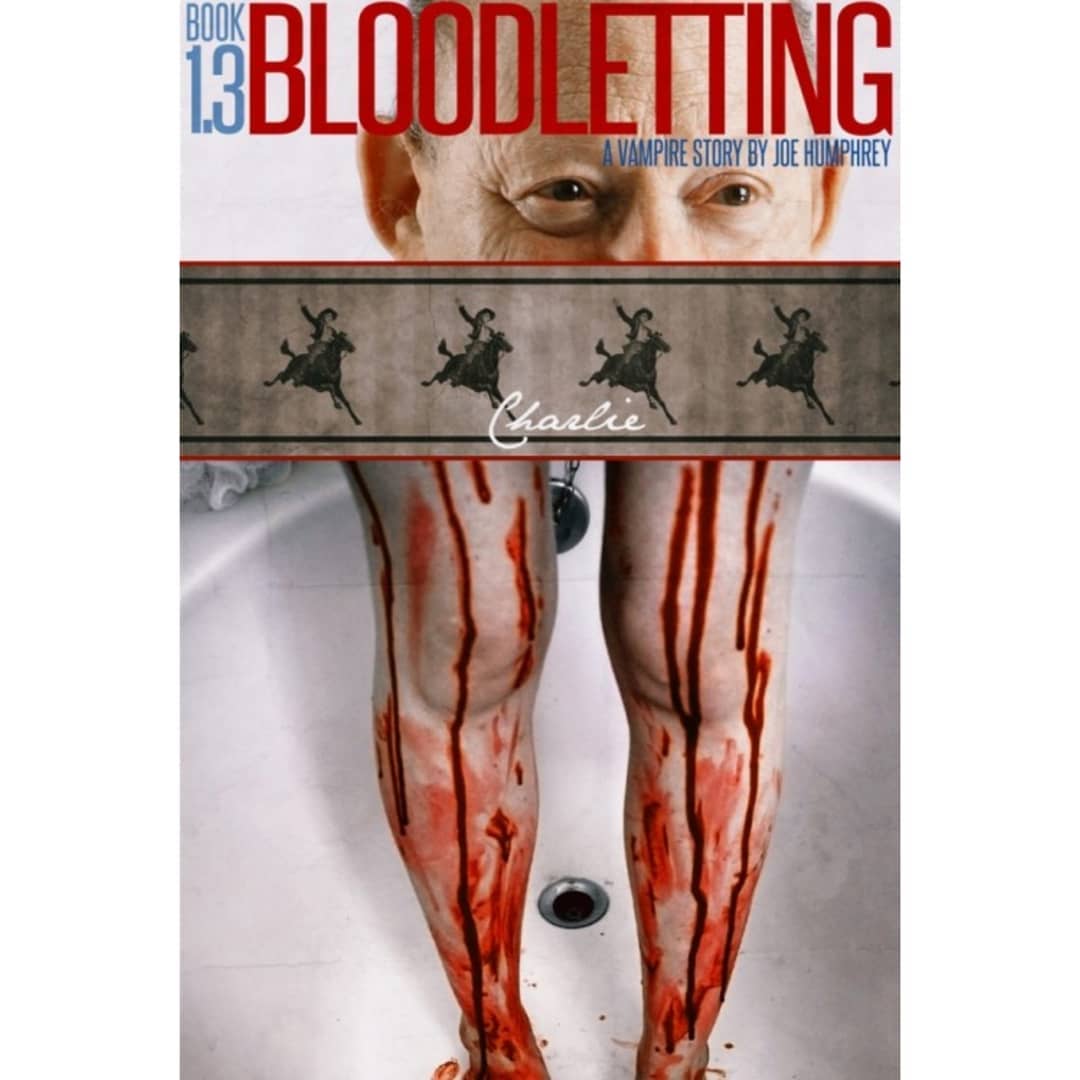
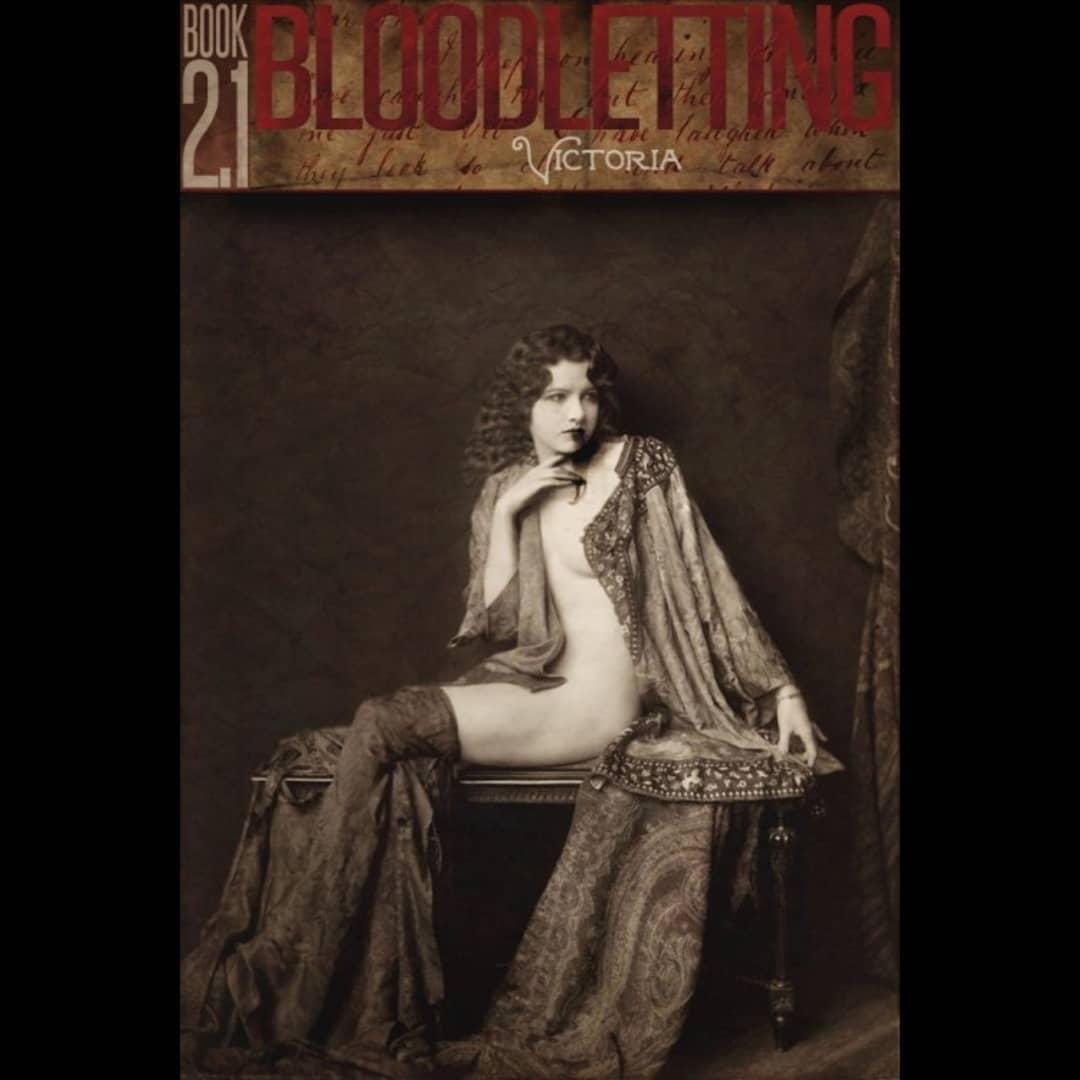
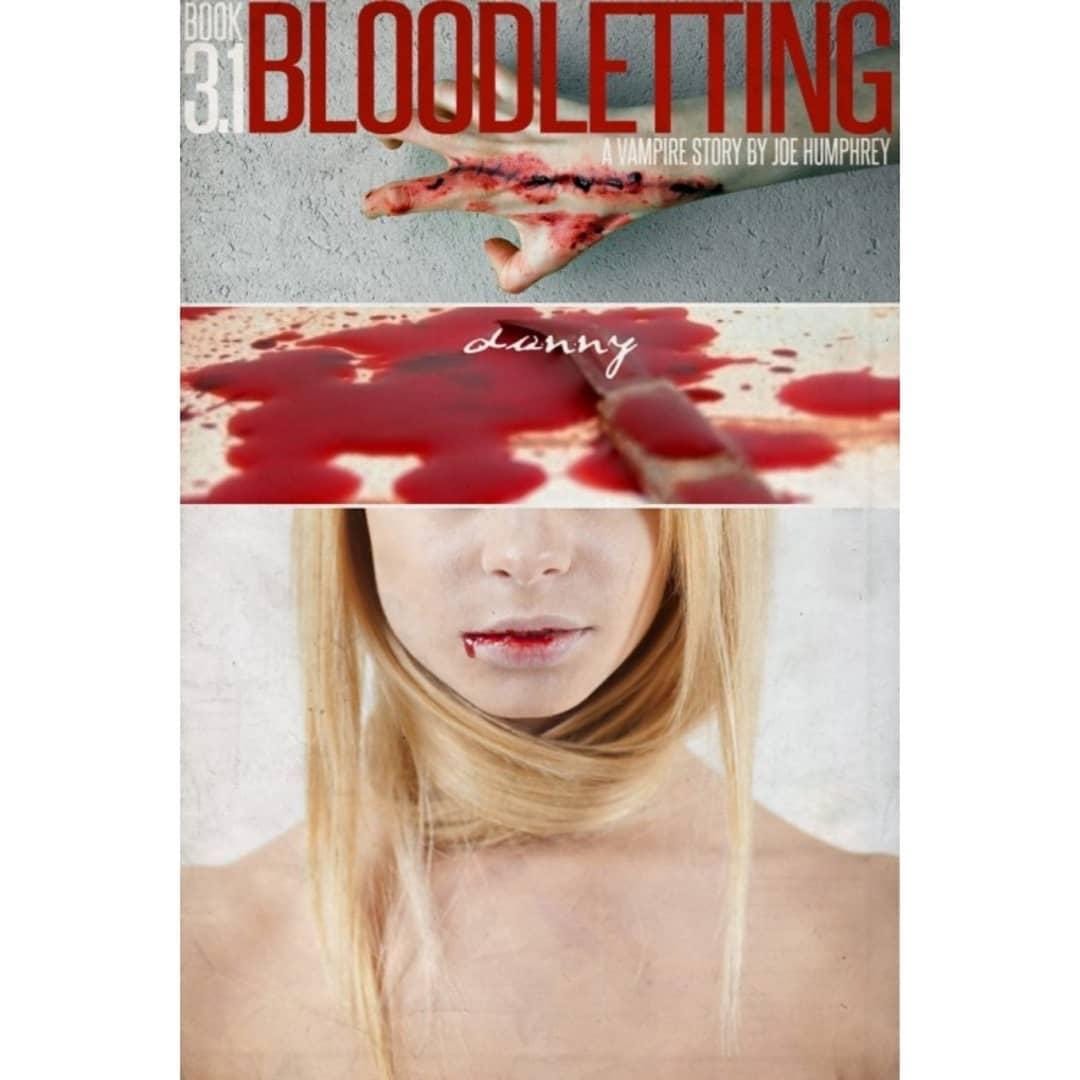
Some of the covers for my early Bloodletting stories
Each of these "streams" focused on a different character. There were stories about Charlie, Jack, Victoria, and Danny. Then there were the stories I called "Sally Simpson Stories," based on the song Sally Simpson from The Who's album Tommy.
I'll explain what I mean.
In the rock opera Tommy, Pete Townshend tells the story of a young man who cannot see, hear, or speak, and his journey of self-discovery and eventual enlightenment through playing pinball. The narrative jumps around, focusing on different characters at different points, but they're all ultimately connected to Tommy. Most of the characters who are featured in songs are people Tommy's parents have taken him to try to "cure" him of his disabilities — a preacher, a drug dealer/sex worker, a doctor, and so on.
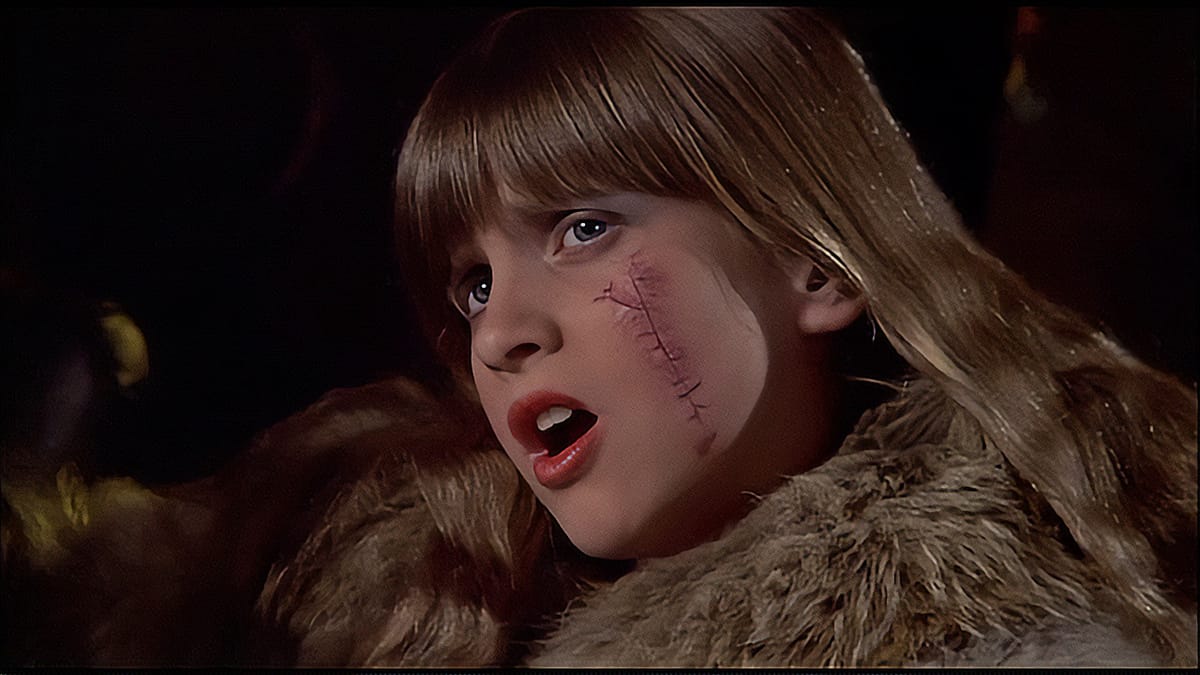
One song, though, "Sally Simpson," is about a teenage girl who, in the second half of the album, sneaks out of her house to see Tommy's sermon (after being forbidden by her parents) and is injured when a security guard throws her into the audience when she rushes the stage.
The cool thing about this song is that it focuses on a completely external character who is viewing the rise of Tommy's ministry from the perspective of a teenage girl who has never met Tommy. It allows us not only to take a brief break from the narrative but also to see Tommy in a completely different context.
While writing the Bloodletting shorts, I decided to dedicate one "Sally Simpson" chapter to each character. In the Charlie stories, the introduction chapter follows a Hollywood socialite who encounters Charlie and is promptly murdered. In Jack the Sally Simpson story follows a young woman who may have been Elizabeth Short, the Black Dahlia murder victim. They mostly tend to be murder victims, but not always. In Danny, there are a few. My point is that for me, it's an important tool in my belt.
Taking a break from the narrative is important when used appropriately. It gives us (both writers and audiences) the opportunity to breathe and reassess the situation. It also gives us insight into our characters that we wouldn't get from a regular POV chapter. So I like them.
In my stories, because my characters are largely undead and monsters, they're not self-aware enough for me to write them as outright monsters. From their internal perspective, they don't think they're monsters. They are, but they don't know that. Seeing them from the outside reminds the reader that these vampires aren't our friends and aren't good people. They're bloodthirsty murderers, and it's good to recognize that from time to time. Moreover, it reminds the reader that this is, first and foremost, a horror story.
It's difficult sometimes to convey horror when you're writing from the perspective of what amounts to a villain. Showing them from the outside, from the perspective of someone who fears them, allows us to see them as they truly are.
Ultimately, though, the thing I really love about these Sally Simpson chapters is the little mini-stories I develop for those characters. For instance, Devon, one of the characters from Danny, was Vickie's Sally Simpson chaper. He was a male escort and made the unfortunate mistake of dancing with Vickie and catching her eye. The chapter follows Devon as he is guided through his past through a memory exploration with Vickie. It gives us a fun little side story, as well as a needed perspective on how being hunted by a vampire works. It also gives me a chance to explore who these characters who are victims of the vampires are.
In Breakfast of Champions by Kurt Vonnegut Jr., he argues that every detail and every character is as important as any other, and he gives equal weight to all characters, explaining who they are, what their motivations are, and how they came to be where they are. Even the lead character's dog is given its own mini-narrative.
When I set out to write my stories, I remember that, and although I don't follow that approach exactly, I do give greater weight to characters and their histories. Also, because my story deals with memories so heavily, it's easy to flesh these characters out into their own, fully realized people. Like with Devon, our male prostitute, I explain a whole history of being bullied at school, his friendship with a kindly school librarian, and how that informs his decision-making.
I don't have extensive advice, nor do I come from a position of much experience or knowledge, but I do know how I write, and I value that approach.
That's Sally Simpson stories.